The 4 Golden Rules for Perfect Cooking with Cast Iron Skillets
Cast iron skillets are a timeless kitchen staple, beloved for their heat retention, durability, and versatility. To master the art of cooking with cast iron, there are four fundamental rules to follow. By adhering to these guidelines, you can enhance your culinary skills and ensure that your cast iron skillet is always in optimal condition.
1. Proper Seasoning Makes Perfect
Seasoning is the foundation of successful cast iron cooking, transforming raw cast iron into a non-stick powerhouse. Proper seasoning creates a natural, polymerized layer of oil that protects the skillet from rust and enhances its cooking surface.
Steps to Season Your Cast Iron Skillet:
-
Clean the Skillet: Start with a clean skillet. If it’s new, remove any factory coating by washing with mild soap and hot water. For well-used skillets, scrub away any food remnants, using a stiff brush or sponge.
-
Choose Your Oil: Opt for oils with high smoke points, like flaxseed, grapeseed, or canola oil. Flaxseed oil is particularly effective as it dries hard and forms a strong layer.
-
Apply the Oil: Using a paper towel, apply a thin layer of oil to the entire surface of the skillet, including the handle and exterior. Make sure to wipe off any excess; too much oil can lead to a sticky surface.
-
Bake the Skillet: Preheat your oven to 450°F (230°C). Place the skillet upside down in the oven (to prevent pooling of oil) and bake for an hour. This process polymerizes the oil, creating a durable non-stick surface.
- Cool Down: Turn off the oven and let the skillet cool inside to room temperature. This step allows the layer to set properly.
Maintenance is Key: After each use, clean your skillet with hot water and a brush. Avoid soap to preserve the seasoning. If food sticks after repeated use, reapply the seasoning process.
2. Control the Heat
Understanding how to manage heat is crucial for success in cast iron cooking. Cast iron skillets retain heat exceptionally well, making it essential to monitor temperature levels closely to prevent burning.
-
Start Low and Gradually Increase: Always begin cooking over low to medium heat, then adjust as necessary. This technique prevents overheating and allows for even cooking.
-
Preheat Thoroughly: Give your skillet ample time to preheat. A well-heated cast iron skillet creates an ideal environment for sautéing, frying, and searing, helping to develop a perfect crust on meats while keeping the interior juicy.
-
Using a Heat Diffuser: When cooking on high heat for extended periods, employ a heat diffuser. This tool can help distribute heat evenly, preventing hot spots that can lead to burning.
- Avoid Temp Spikes: If you notice excessive smoking or food sticking, reduce the heat immediately. Remember that cast iron holds heat, so it’s a good practice to decrease the heat before adding food to maintain the right cooking temperature.
3. Embrace the Versatility of Cooking Methods
One of the most appealing aspects of cast iron skillets is their versatility across various cooking methods. They can be used on the stovetop, in the oven, and even over an open flame, allowing for an array of culinary techniques.
-
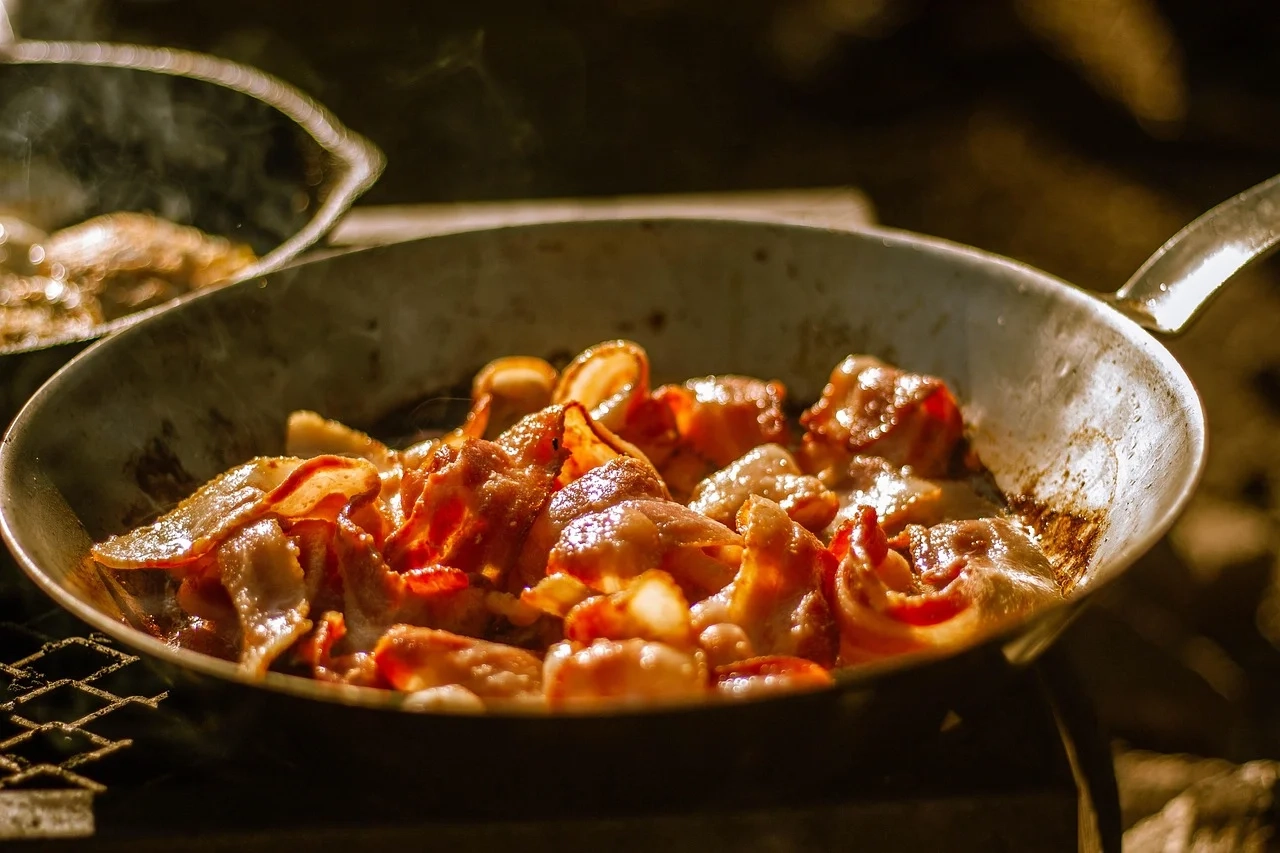
Stovetop Cooking: Ideal for frying, sautéing, and browning. The excellent heat retention of cast iron provides consistent cooking results. Use it for anything from frying eggs to searing steaks.
-
Baking: Cast iron skillets are perfect for baking bread, cornbread, or frittatas. They provide superior heat distribution, helping your baked goods develop a golden crust and fluffy interior.
-
Roasting: When roasted in the oven, vegetables caramelize beautifully in cast iron skillets. Toss your veggies with oil and seasonings, then roast at high temperatures for a deliciously charred flavor.
- Grilling: Using a cast iron skillet on the grill allows you to replicate the benefits of outdoor grilling indoors. You can achieve those beautiful grill marks on vegetables or meats.
Experimentation Encouraged: Don’t be afraid to experiment with various cooking methods. Each technique reveals a different aspect of food, and cast iron enhances flavors beautifully.
4. Care and Maintenance for Longevity
Proper care ensures that your cast iron skillet remains a cherished tool in your kitchen for generations. Following specific cleaning and maintenance protocols will safeguard your skillet’s condition.
-
Avoid Soaking: Never soak your skillet in water, as this promotes rust. After cooking, immediately clean it under hot water while it’s still warm.
-
Use Minimal Soap: If needed, use a small amount of soap sparingly. Most of the time, a gentle scrub with hot water and a brush is sufficient to remove stuck food.
- Dry Immediately: Always dry your skillet thoroughly after washing to prevent rust formation. You can place it back on low heat for a