Understanding Meal Prep: The Fundamentals
Meal prepping is the process of preparing meals in advance to save time and promote healthier eating habits. By dedicating a specific day, typically Sunday, individuals can efficiently plan, cook, and store meals for the week. This strategic approach allows for better control over ingredients, portion sizes, and nutritional value, ultimately contributing to a healthier lifestyle.
The Benefits of Meal Prepping
-
Time-Saving: Spending a few hours on a Sunday can save you time during the week. No more scrambling to cook dinner after a long day of work.
-
Cost-Effective: Buying in bulk and preparing meals at home lowers grocery bills and reduces waste.
-
Healthier Choices: Meal prepping encourages healthier eating habits as you control ingredients and portion sizes, making it easier to stick to dietary goals.
- Reduced Stress: Knowing that meals are ready to go takes away the daily stress of figuring out what to eat.
The Basics of Sunday Prep
Step 1: Planning Your Meals
Before diving into food prep, planning is essential. Here’s how to effectively organize your meals:
-
Choose Recipes: Select recipes that share similar ingredients to minimize waste. Opt for versatile ingredients that can be used in multiple meals.
-
Balance Your Meals: Aim for a balanced diet that includes proteins, healthy fats, vegetables, and complex carbohydrates.
-
Create a Menu: Draft a weekly menu. Include breakfast, lunch, dinner, and snacks. This will serve as a roadmap to guide your shopping list.
- Portion Control: Keep portion sizes in mind while planning. Decide if you want individual servings or meals that can be shared.
Step 2: Creating a Shopping List
Once your meal plan is established, create a shopping list based on the necessary ingredients. Here are some tips for effective grocery shopping:
-
Stick to the Perimeter: Fresh produce, dairy, and meat are often located on the perimeter of the store, while processed foods are usually in the aisles.
-
Check Your Pantry: Before heading to the store, take stock of what you already have to avoid unnecessary purchases.
- Qualify Ingredients: Aim for whole foods and organic options where possible to maximize nutrient intake.
Tools and Equipment for Meal Prepping
Having the right tools is crucial for efficient meal prepping. Here are essentials you should invest in:
-
High-Quality Containers: Invest in a variety of glass or BPA-free plastic containers. Opt for microwave-safe, freezer-safe options to store meals conveniently.
-
Sharp Knife and Cutting Board: A sharp knife simplifies chopping vegetables, while a sturdy cutting board aids in maintaining cleanliness and safety.
-
Measuring Cups and Spoons: To keep portion sizes accurate.
-
Food Processor: Save time on chopping, slicing, and blending.
- Labeling Supplies: Labels keep your meals organized and allow for tracking expiration dates.
Step 3: Cooking and Preparing Meals
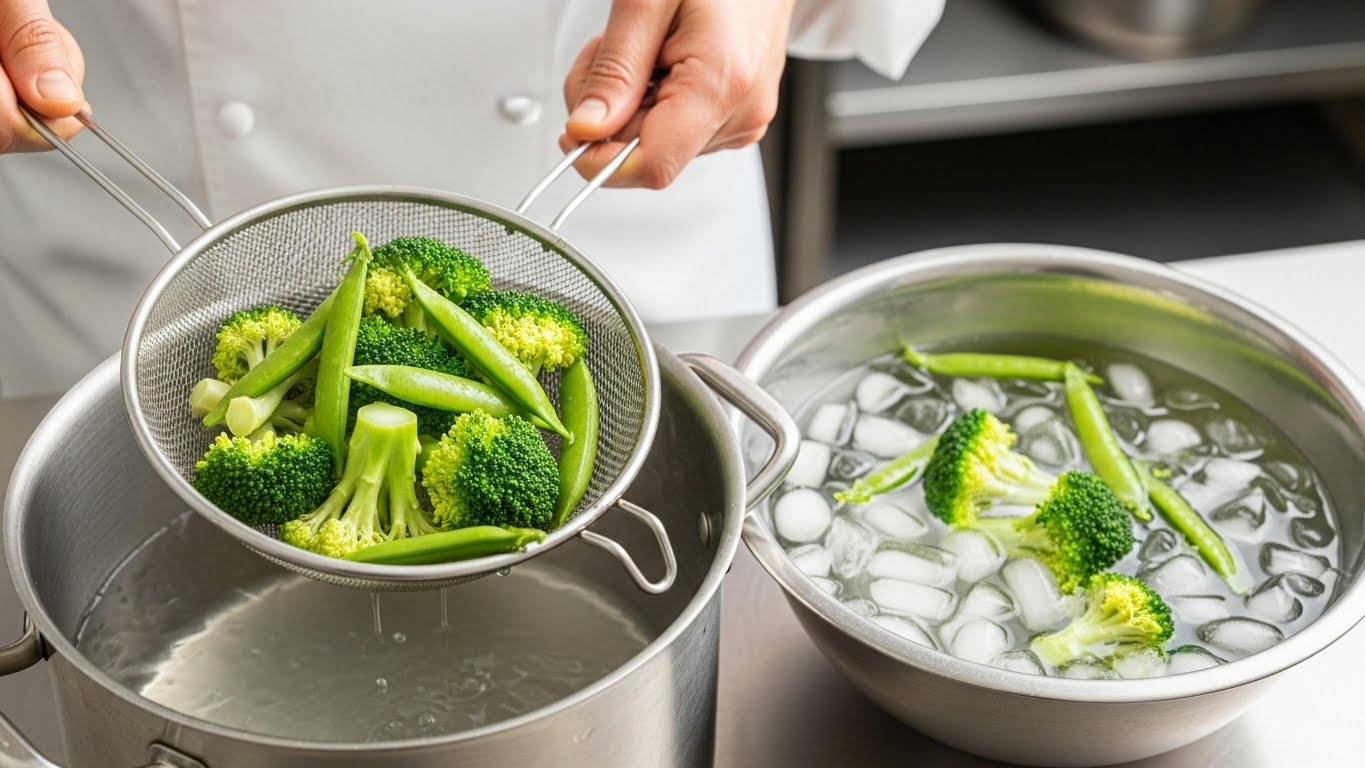
Now that you’ve planned, created a shopping list, and gathered your tools, it’s time to cook. Here’s an efficient workflow to maximize your time:
-
Batch Cooking: Prepare larger quantities of base items such as grains (rice, quinoa) and proteins (chicken, tofu) that can be used in multiple meals throughout the week.
-
Multi-tasking: While one item is cooking, start on another. For example, while quinoa is boiling, chop vegetables for a stir-fry.
-
Use One Pan, One Pot: Minimize cleanup time by using one cooking method per meal.
- Roast Veggies: Roasting a variety of vegetables together can save time and provide flavor versatility in different meals.
Step 4: Storing Your Meals
Once meals are cooked, proper storage is key to maintaining freshness and flavor:
-
Cool Down First: Allow food to cool before sealing in containers to prevent condensation and spoilage.
-
Plan for Storage: Divide meals into individual portions for easy access, and place non-perishable meals in the fridge or freezer.
- Labeling: Clearly label containers with dates and meal descriptions. This practice helps in using older meals first, reducing waste.
Tips for Successful Meal Prepping
-
Start Small: If you’re new to meal prepping, begin with just a few meals. Gradually increase as you become more comfortable.
-
Frozen Meals: Don’t hesitate to freeze meals. Soups, stews, and casseroles often taste even better after freezing.
-
Remain Flexible: Adapt your meal plan based on seasonal ingredients or sudden changes in your schedule. Flexibility keeps the process enjoyable.
- Involve Family: Make meal prepping a family activity. Engaging in the process together can promote healthier eating habits for everyone.
Easy Meal Prep Recipes to Champion
Incorporating a variety of recipes can keep meal prepping exciting. Here are a few simple ideas:
1.