Understanding Portion Control
Portion control is essential for maintaining a balanced diet, aiding weight management, and preventing overeating. Proper portion sizes can help you enjoy your food while keeping caloric intake in check. This guide will explore effective visual cues to help you master portion control across various meals.
The Importance of Portion Control
Portion control is crucial for several reasons:
- Weight Management: Consuming large portions can lead to excess calorie intake and weight gain.
- Balanced Nutrition: Appropriate portion sizes help ensure you get the right balance of nutrients.
- Mindful Eating: Being conscious of portion size encourages you to savor your food and promotes satisfaction.
- Preventing Overeating: Understanding portion sizes can help prevent the mindless eating habits that often accompany larger servings.
Visual Cues for Portion Control
Visual cues can serve as an effective method to gauge appropriate portion sizes without the need for a scale. Here are specific cues for various food categories:
1. Grains
- Serving Size: A standard serving of cooked grains (like rice or pasta) is typically about 1/2 cup.
- Visual Cue: Use your cupped hand or a tennis ball to visualize the portion size. This helps you remember what a 1/2 cup of grains looks like.
Example: When preparing a meal, a serving of pasta can be measured against your clenched fist. This simple trick enhances awareness, allowing you to gauge your intake more effectively.
2. Proteins
- Serving Size: A standard portion of meat, poultry, or fish is about 3-4 ounces, roughly the size of the palm of your hand.
- Visual Cue: Compare the meat portion to a deck of cards. This analogy provides a clear visual reference that is easy to remember.
Example: When grilling chicken breast, visualize the deck of cards to ensure you’re not preparing excessive amounts, ultimately aiding in portion control.
3. Vegetables
- Serving Size: Aim for at least 1 cup of raw vegetables or 1/2 cup when cooked, which is approximately the size of a baseball.
- Visual Cue: Envision a baseball or even a medium-sized bowl to help gauge how much salad or cooked vegetables you should consume.
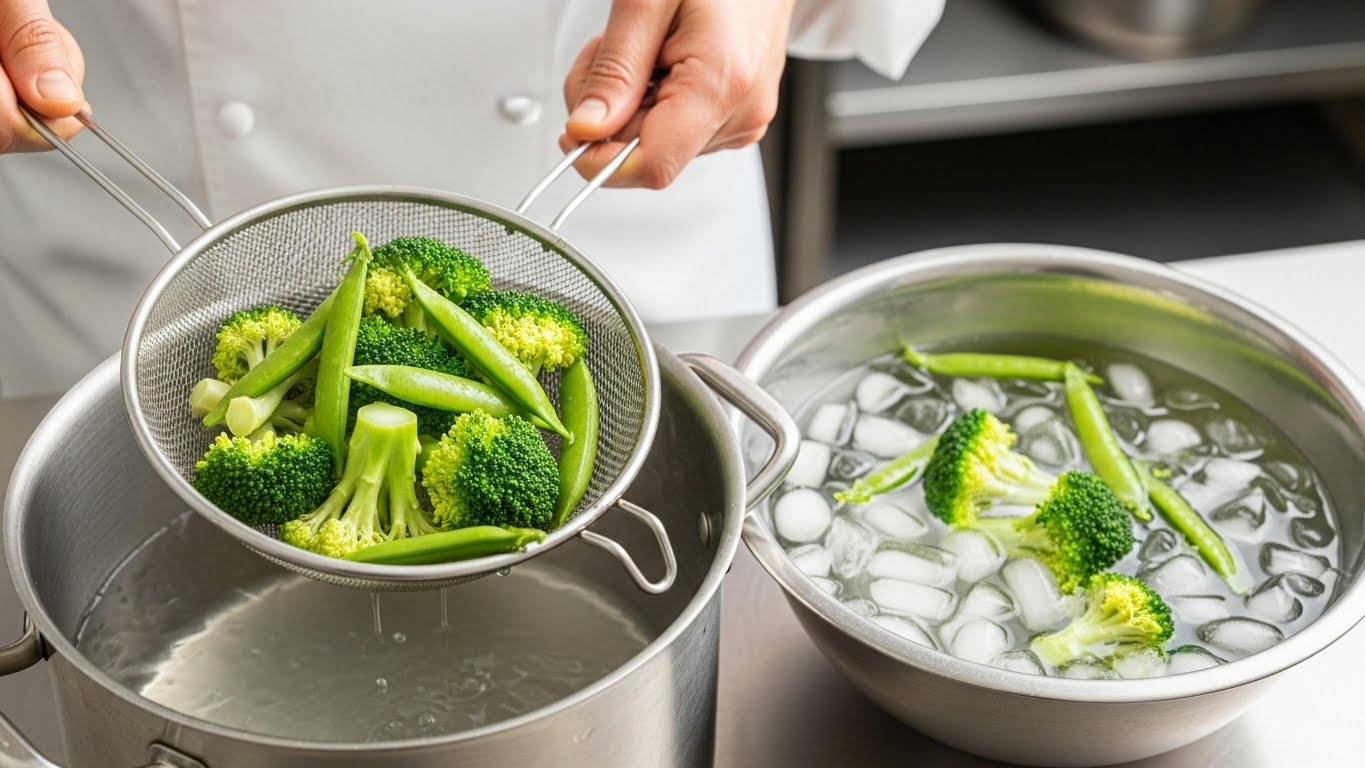
Example: When plating your meal, pile your cooked broccoli into a small bowl. This will help you stay within the recommended serving size while incorporating nutrient-rich foods into your diet.
4. Fruits
- Serving Size: A standard serving of fruit is about 1 medium-sized fruit (like an apple or orange) or 1 cup of fresh fruit.
- Visual Cue: Use the size of a baseball as a guide again, or consider what fits comfortably in your palm for smaller berries.
Example: When preparing a fruit salad, serve yourself enough berries to fill a small cup rather than the entire container, allowing you to control sweetness and caloric intake effectively.
5. Dairy
- Serving Size: A typical serving of yogurt or cottage cheese is about 1 cup, while cheese should be limited to 1.5 ounces or about the size of your thumb.
- Visual Cue: When eating cheese, visualize the size of your thumb for easy measurement.
Example: Pair your pasta with a side of grated cheese but limit it to a thumb-sized portion to maintain balanced calorie intake while enjoying the dish.
6. Fats and Oils
- Serving Size: Limit oil and fat-based spreads to about 1 tablespoon.
- Visual Cue: A standard serving of oil can be visualized as the size of your thumb.
Example: When drizzling olive oil over a salad, keep a tablespoon in mind to ensure you’re not going overboard, thus maintaining healthy fat intake.
Practicing Portion Control
Implementing visual cues into your daily routine can enhance your mindfulness towards eating. Here are practical ways to practice portion control every day:
-
Pre-portion Meals: Instead of serving directly from the cooking pot, dish out portions onto plates. This prevents mindless eating from larger containers.
-
Use Smaller Plates: Serving meals on smaller plates can trick your brain into thinking you’re eating more than you are, helping control portions without feeling deprived.
-
Mindful Eating: Slow down and take the time to enjoy each bite. This practice helps you recognize when you’re satisfied and prevents overeating.
-
Stay Hydrated: Sometimes thirst is mistaken for hunger. Drink a glass of water before meals to aid in portion control and ensure you’re truly hungry.
- Utilize Meal Prep: Planning meals ahead of time allows you to pre-measure servings, making it easier to resist the temptation of larger portions.
Example Meal Breakdown
Breakfast
- Oatmeal: 1/2 cup dry oats (cue: tennis ball).