Deliciously Classic Vanilla Buttermilk Cake: A Timeless Treat
Understanding the Cornerstone Ingredients
At the heart of any great cake lies its ingredients, and for a classic vanilla buttermilk cake, the choice of components is crucial. The primary ingredients include all-purpose flour, unsalted butter, granulated sugar, eggs, vanilla extract, baking powder, baking soda, and of course, buttermilk. Each of these elements plays a unique role in resulting in a cake that is moist, flavorful, and fluffy.
All-Purpose Flour acts as the structural foundation of the cake. Its medium protein content allows for the perfect balance between tenderness and strength, ensuring that the cake rises adequately without collapsing.
Unsalted Butter is preferred over its salted counterpart to allow for precise control over the saltiness of the cake. Butter also contributes to the cake’s rich flavor and tender crumb. Always use room-temperature butter, as this allows for better aeration when creaming with sugar.
Granulated Sugar not only sweetens the cake but also aids in achieving a tender texture. When sugar is creamed with butter, it helps to trap air, leading to a light and fluffy cake.
Eggs provide moisture and richness. They also act as a binding agent, helping to hold the other ingredients together. For optimal results, ensure that the eggs are at room temperature as they incorporate more easily into the batter.
Vanilla Extract is essential in delivering that classic flavor. Using pure vanilla extract rather than imitation will greatly enhance the overall taste of the cake. Vanilla bean paste or even fresh vanilla beans can be exceptional alternatives for added depth.
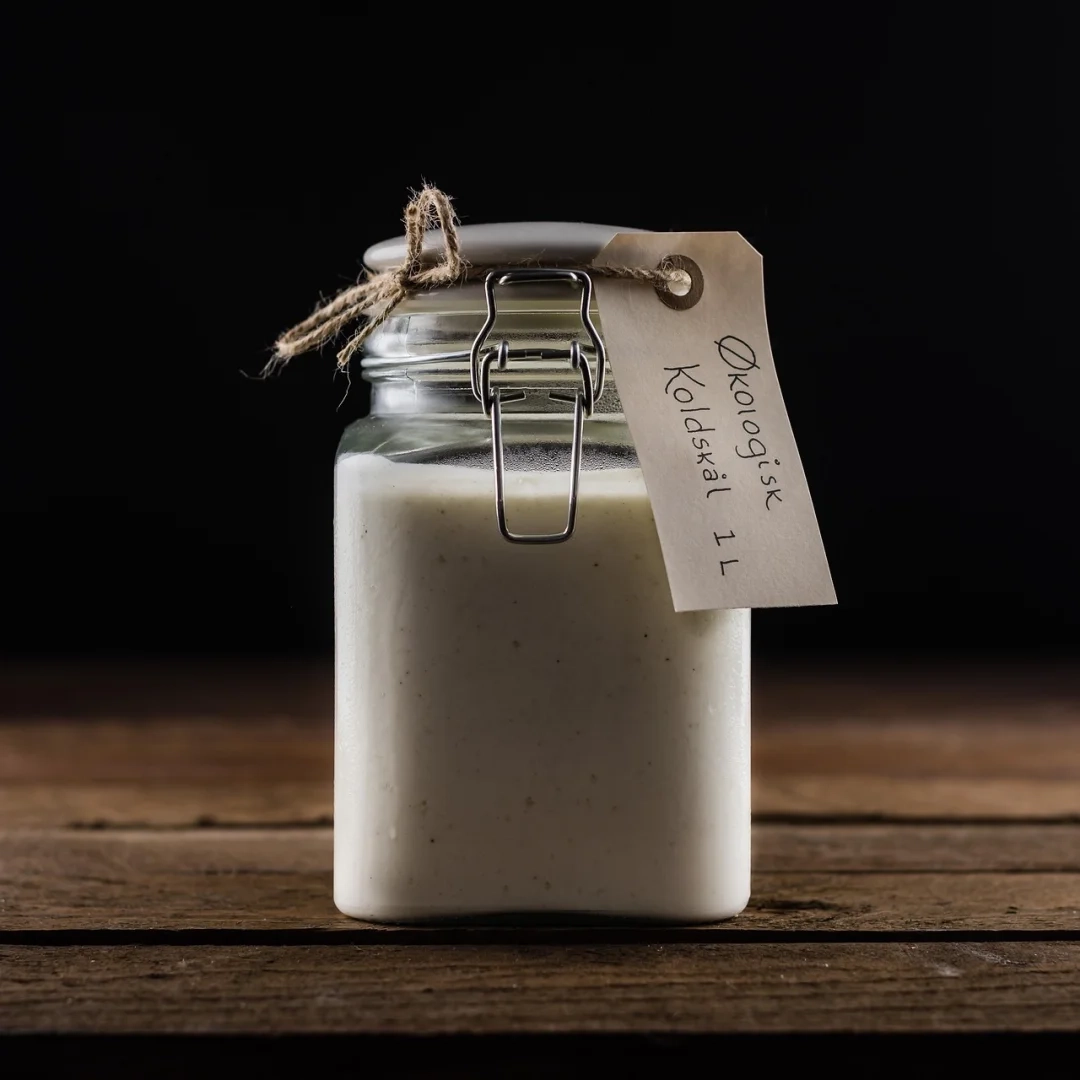
Buttermilk is the secret ingredient that sets this cake apart. The acidity of buttermilk reacts with baking soda, creating a tender crumb and a subtle tang that elevates flavor. Buttermilk also adds moisture, resulting in a cake that remains soft, even days after baking.
Baking Powder and Baking Soda are important leavening agents. While baking powder provides a lift, baking soda ensures that the cake browns beautifully and achieves a light texture.
The Baking Process
-
Preparation: Start by preheating your oven to 350°F (175°C). Grease and flour your cake pans to prevent sticking, using either 9-inch round or 8-inch square pans, depending on your preference.
-
Mixing the Dry Ingredients: In a medium bowl, whisk together the all-purpose flour, baking powder, baking soda, and salt. This step ensures that the leavening agents are evenly distributed throughout the flour.
-
Creaming Butter and Sugar: In a large mixing bowl, use a hand mixer or stand mixer to cream the room-temperature butter and granulated sugar until light and fluffy, about 4-5 minutes. This process is essential for incorporating air, yielding a lighter cake.
-
Incorporating Eggs: Add the eggs, one at a time, ensuring each is fully incorporated before adding the next. Mix in the vanilla extract, ensuring the batter is homogenous.
-
Combining Ingredients: Gradually add the dry mixture to the creamed butter mixture, alternating with the buttermilk. Start and end with the flour mixture; mix just until combined to avoid overmixing, which can lead to a denser cake.
-
Baking: Pour the batter into the prepared pans, smoothing the tops with a spatula. Bake for 25-30 minutes or until a toothpick inserted in the center comes out clean. Be careful not to overbake, which can dry out the cake.
- Cooling: Allow the cakes to cool in the pans for about 10 minutes before transferring to a wire rack to cool completely. This step is crucial to maintain the delicate texture of the cake.
Frosting Ideas
While vanilla buttermilk cake is delightful on its own, pairing it with the right frosting can elevate it to new heights. Here are a few frosting options:
-
Classic Buttercream Frosting: A simple yet effective choice. Beat together unsalted butter, powdered sugar, a splash of milk or cream, and vanilla extract until smooth and creamy. Adjust the consistency with milk or powdered sugar as needed.
-
Cream Cheese Frosting: For a tangy twist, mix cream cheese, butter, powdered sugar, and vanilla. This frosting has a delightful balance of sweetness and tanginess, perfect for enhancing the buttermilk cake.
- Whipped Cream Frosting: For a lighter option, whip heavy cream with sugar and vanilla extract until soft peaks form. This airy frosting works beautifully for a homemade strawberry shortcake style.
Serving Suggestions
Serving vanilla buttermilk cake is where creativity can flourish. Here are some delightful suggestions for presentation and serving:
-
Layer Cake: Stack multiple layers of the cake with frosting in between, creating a towering dessert that is sure to impress.
- Sheet Cake: Frost a single