Mastering the Art of Roasting: 5 Essential Techniques for Perfectly Roasted Vegetables
1. Choosing the Right Vegetables
The foundation of perfectly roasted vegetables starts with selecting the best variety. Not all vegetables roast equally; some become tender and caramelized, while others might dry out or become mushy. Here’s a quick guide to the best types of vegetables for roasting:
- Root Vegetables: Carrots, potatoes, sweet potatoes, and beets all develop a rich, sweet flavor when roasted. They also benefit from longer cooking times.
- Cruciferous Vegetables: Brussels sprouts, cauliflower, and broccoli are excellent candidates. They create a delicious char when roasted, adding depth to their flavors.
- Soft Vegetables: Zucchini, bell peppers, and eggplant roast quickly and tend to become melt-in-your-mouth tender. Keep an eye on the cooking time to avoid overcooking.
2. Preparing Your Vegetables Properly
Preparation is key to achieving the best roasting results. Start by washing your vegetables thoroughly and peeling any that require it, such as carrots or sweet potatoes. Once cleaned, here are important steps:
- Cut Uniformly: Chop vegetables into similar sizes to ensure even cooking. Larger pieces may require more time, while smaller ones will roast faster.
- Dry Thoroughly: Excess moisture can lead to steaming rather than roasting. Pat vegetables dry with paper towels or a clean kitchen cloth.
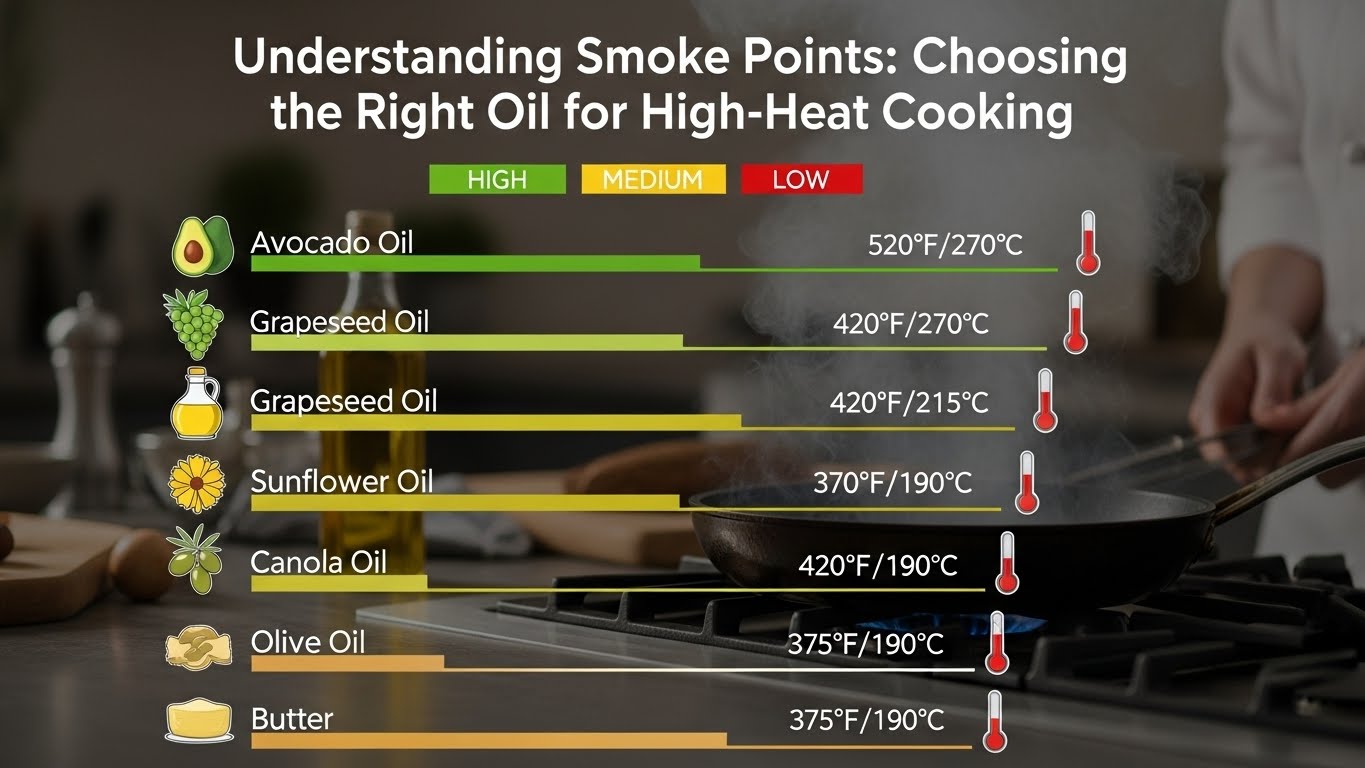
- Toss with Oil: Use high-quality oils—olive oil, canola oil, or avocado oil work well. A general guideline is 1-2 tablespoons of oil per pound of vegetables to achieve that perfect crispiness.
3. Seasoning for Maximum Flavor
Seasoning is essential for enhancing the natural flavors of your vegetables. Here’s how to do it effectively:
- Salt and Pepper: A generous sprinkling of salt and freshly cracked black pepper is a must. Salt helps to draw out moisture and concentrate flavors.
- Herbs and Spices: Fresh herbs like rosemary, thyme, or dill add aromatic qualities, while spices such as paprika, cumin, or garlic powder can provide warmth and depth. For more robust flavors, add the spices before roasting.
- Citrus Zest and Acids: A splash of lemon juice or vinegar (balsamic or apple cider) can brighten the dish. Generally, add acidic elements after roasting to retain their vibrancy.
4. Understanding Roasting Temperatures and Times
Roasting temperature plays a significant role in the final texture and flavor. Most vegetables roast optimally between 400°F (200°C) and 450°F (230°C). However, it’s essential to find the sweet spot:
- High Heat (450°F): Great for crispy exteriors while ensuring the inside remains tender. Suitable for denser vegetables like Brussels sprouts and carrots.
- Moderate Heat (400°F): Ideal for a good balance between caramelization and cooking through. This is perfect for most vegetables, particularly softer varieties that can easily overcook.
- Cooking Times: As a general rule, denser vegetables require longer cooking times (up to 45 minutes), while softer vegetables may only need 20-30 minutes. Check periodically for doneness by piercing with a fork.
5. The Importance of Arrangement and the Toss Method
How you arrange the vegetables on the roasting pan can have a significant impact on the final dish. Proper spacing allows heat to circulate, resulting in better browning and crispiness:
- Single Layer: Always spread vegetables in a single layer on the pan. Overcrowding will cause the vegetables to steam rather than roast.
- Use a Baking Sheet: A rimmed baking sheet helps to contain juices while allowing easy access for flipping or stirring. Non-stick or parchment-lined sheets can help prevent sticking and facilitate cleanup.
- Toss Halfway Through: For even roasting, stir or flip the vegetables halfway through cooking. This will ensure that all sides get that coveted golden-brown color and caramelized flavor.
Optimizing Your Roasting Technique
Mastering the art of vegetable roasting doesn’t end with just following steps. Here are additional tips for elevating your roasted vegetable game:
– Experiment with Combinations
Mix different vegetables together based on cooking times. Pair quicker-roasting veggies (e.g., zucchini) with those that take longer (e.g., carrots) to create a versatile and colorful dish.
– Try Different Cookware
Consider using cast iron, ceramic, or glass for roasting. Each material can yield slightly different textures due to varying heat retention properties.
– Infuse with Flavor
For added complexity, consider infusing your oil with herbs or spices before tossing it with the vegetables. This can help release the oils’ flavors more effectively during roasting.
– Utilize Leftovers
Roasted vegetables make excellent additions to various dishes—think salads, quiches, or grain bowls. Embrace the versatility and save