What is Batch Cooking?
Batch cooking is the practice of preparing large quantities of food in one cooking session, allowing you to have healthy meals ready throughout the week. This method not only helps save time but also reduces food waste and promotes a healthier diet. By dedicating a few hours to meal prep, you can anticipate a seamless week filled with nutritious options that fit your busy lifestyle.
Benefits of Batch Cooking
-
Time Efficiency: The most significant advantage of batch cooking is it allows you to cook multiple meals in one go. You can streamline grocery shopping, cooking, and cleaning, making your weekdays far more manageable.
-
Cost-Effective: Buying ingredients in bulk often means spending less per meal. Batch cooking allows you to save money by utilizing bulk purchases and minimizing food waste.
-
Healthy Eating: Preparing meals at home ensures you can control ingredients, portions, and cooking methods, leading to healthier eating habits.
-
Variety: Preparing different dishes in one cooking session provides a range of meals to choose from, preventing dietary boredom.
- Stress Reduction: Knowing that your meals are ready reduces the mental load associated with daily cooking, allowing you to focus on other tasks or simply relax.
Getting Started: Essential Supplies
Before diving into batch cooking, gather the following essentials:
-
Containers: Invest in high-quality, airtight containers for storing your meals. Glass containers are preferable, as they are durable and microwave-safe. Choose a variety of sizes to accommodate different portions.
-
Labels: Clear labels help you categorize meals and track expiration dates, ensuring food remains fresh.
-
Meal Planning Tools: Use a notebook or digital app to plan your meals for the week. This helps streamline your grocery list and organizes your cooking efforts.
- Cooking Equipment: A sturdy cutting board, knives, pots, pans, and cooking utensils are vital. Consider investing in appliances like an Instant Pot or slow cooker for versatility.
Meal Planning
Start by choosing recipes to make in bulk. Focus on meals that will last in the refrigerator or freezer.
-
Choose a Variety of Proteins: Consider including chicken, beans, lentils, tofu, and fish.
-
Incorporate Whole Grains: Prepare brown rice, quinoa, or whole wheat pasta as a base for many meals.
-
Select Seasonal Vegetables: Opt for a mix of fresh, roasted, or steamed veggies to accompany the proteins and grains.
-
Plan for Snacks: Don’t forget to include easy-to-prep snacks like veggie sticks, hummus, or fruit cups.
- Consider Dietary Restrictions: Tailor your recipes to accommodate family or personal dietary needs.
Grocery Shopping Tips
Once your meal plan is finalized, create a shopping list based on the recipes. Here are some tips for efficient grocery shopping:
-
Buy in Bulk: Purchase staples like grains, beans, nuts, and frozen vegetables in bulk to save money.
-
Shop Seasonally: Fresh, seasonal produce is often less expensive and tastes better.
-
Stick to the Perimeter of the Store: Focus on whole foods found on the outer aisles—fruits, vegetables, meats, and dairy.
- Check for Sales: Look for discounts or coupons to further reduce your grocery bill.
Cooking Day Strategies
Designate a single day for cooking, typically a weekend day when you have more time. Follow these strategies to maximize efficiency:
-
Prep Ingredients: Wash, chop, and measure ingredients before cooking. This helps streamline the cooking process.
-
Cook in Bulk: Utilize multiple pots, pans, and your oven simultaneously. For example, roast vegetables while boiling grains on the stove.
-
Use Versatile Recipes: Prepare meals that can be transformed into different dishes. Make a large batch of chili, which can be served with rice, turned into chili nachos, or used in burritos.
- Cool & Store Properly: Allow cooked meals to cool before transferring them into containers. Label each container with the meal name and date.
Meal Composition Ideas
-
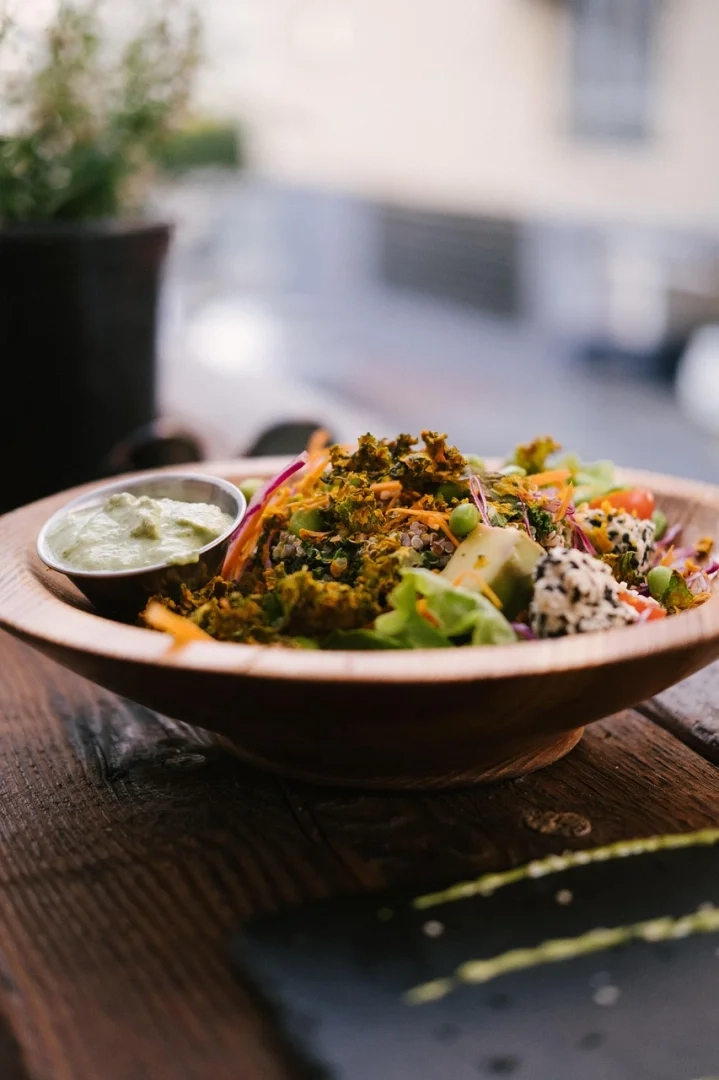
Bowls: Create build-your-own bowls with a base (grains or greens), a protein, various toppings (like nuts or seeds), and sauces.
-
Wraps and Sandwiches: Prepare fillings that can be used in wraps or sandwiches, like grilled chicken, sautéed peppers, or roasted veggies.
-
Casseroles: Whip up a few casseroles that store well and can be reheated easily, such as a veggie lasagna or a hearty quinoa bake.
-
Stir-Fries: Prep a variety of vegetables and protein options to stir-fry quickly during the week, served with rice or noodles.
- Soups and Stews: Large pots of soups or stews are perfect for batch cooking. They improve in flavor when reheated and freeze well