Top Hormone Balancing Superfoods to Support Your Menstrual Cycle
Understanding Hormonal Imbalances
Hormonal imbalances can significantly affect a woman’s menstrual cycle, leading to symptoms such as PMS, mood swings, and irregular periods. To mitigate these issues, incorporating specific superfoods into your diet can be a game-changer. These foods not only provide essential nutrients but also promote hormonal balance.
1. Leafy Greens
Nutrients: Vitamins A, C, K, and magnesium.
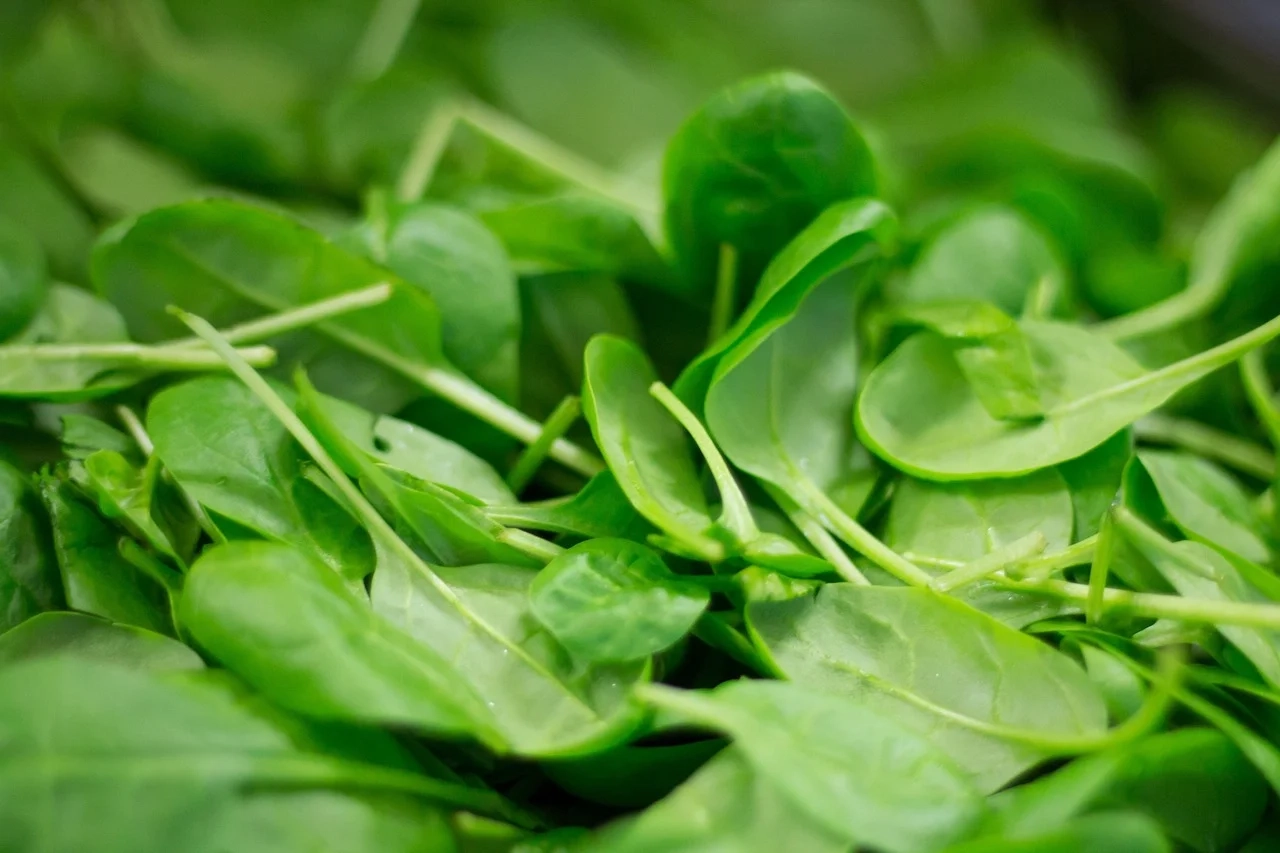
Leafy greens such as spinach, kale, and Swiss chard are rich in antioxidants and fiber, helping to reduce inflammation and regulate blood sugar levels. Magnesium, in particular, plays a crucial role in hormonal health by alleviating PMS symptoms and promoting relaxation.
How to Incorporate: Add leafy greens to smoothies, salads, or as a side dish to your main meals. They can also be used in soups and stews for added nutrition.
2. Avocado
Nutrients: Healthy fats, potassium, and fiber.
Avocado is an excellent source of monounsaturated fats, which help to support hormone production. The potassium in avocados aids in reducing menstrual cramps, while its fiber content keeps blood sugar levels stable, thus balancing hormones.
How to Incorporate: Spread mashed avocado on whole-grain toast, toss it in salads, or blend it into smoothies for creaminess.
3. Chia Seeds
Nutrients: Omega-3 fatty acids, fiber, and protein.
Chia seeds are a powerhouse of nutrients, and their omega-3 fatty acids are known to help regulate hormonal levels. They are also high in fiber, which promotes gut health and aids in the elimination of excess hormones.
How to Incorporate: Add chia seeds to smoothies, sprinkle them on yogurt, or create chia pudding by soaking them overnight in almond milk.
4. Berries
Nutrients: Antioxidants, fiber, and vitamin C.
Berries such as blueberries, strawberries, and raspberries are loaded with antioxidants that help reduce oxidative stress in the body. Their vitamin C content supports adrenal health and cortisol balance, crucial for hormone regulation.
How to Incorporate: Enjoy berries as a snack, mix them into oatmeal or yogurt, or blend them into smoothies for a nutritious treat.
5. Fatty Fish
Nutrients: Omega-3 fatty acids and vitamin D.
Fatty fish like salmon, mackerel, and sardines are high in omega-3 fatty acids, which can alleviate inflammation and hormonal imbalances. Vitamin D in fatty fish can also assist in regulating the menstrual cycle.
How to Incorporate: Aim to include fatty fish in your diet at least twice a week, either grilled, baked, or as part of a stir-fry.
6. Nuts and Seeds
Nutrients: Vitamins E, B6, and healthy fats.
Nuts like walnuts and almonds, as well as seeds like pumpkin and sunflower seeds, provide a mix of essential fatty acids and vitamins that support hormone production. Vitamin E, specifically, is known to mitigate PMS symptoms.
How to Incorporate: Snack on a handful of nuts, use seeds as toppings for salads or cereals, and include them in trail mixes or energy bars.
7. Quinoa
Nutrients: Complete protein, fiber, and magnesium.
Quinoa is a gluten-free grain that provides a complete protein, meaning it contains all essential amino acids. This nutrient density supports overall hormonal health and helps maintain steady energy levels.
How to Incorporate: Use quinoa as a base for salads, as a side dish, or even for breakfast by preparing a quinoa porridge.
8. Fermented Foods
Nutrients: Probiotics and beneficial enzymes.
Fermented foods like yogurt, kefir, sauerkraut, and kimchi are rich in probiotics that promote gut health. A healthy gut microbiome is essential for hormonal balance, particularly estrogen metabolism.
How to Incorporate: Include yogurt or kefir in smoothies, add sauerkraut to sandwiches, or use kimchi as a condiment.
9. Sweet Potatoes
Nutrients: Complex carbohydrates, beta-carotene, and vitamin C.
Sweet potatoes are an excellent source of complex carbohydrates that promote stable energy levels. They are rich in beta-carotene, which can help regulate hormone production. Their fiber content also supports digestive health.
How to Incorporate: Roast sweet potatoes as a side dish, mash them, or add them to soups for a hearty texture.
10. Ginger
Nutrients: Gingerol and anti-inflammatory compounds.
Ginger is renowned for its anti-inflammatory properties and can help ease menstrual pain. It also plays a role in balancing hormones by supporting digestive health and regulating blood sugar levels.
How to Incorporate: Use fresh ginger in teas, smoothies, or stir-fries. Grated ginger can also enhance the flavor of curries and marinades.
11. Turmeric
Nutrients: