
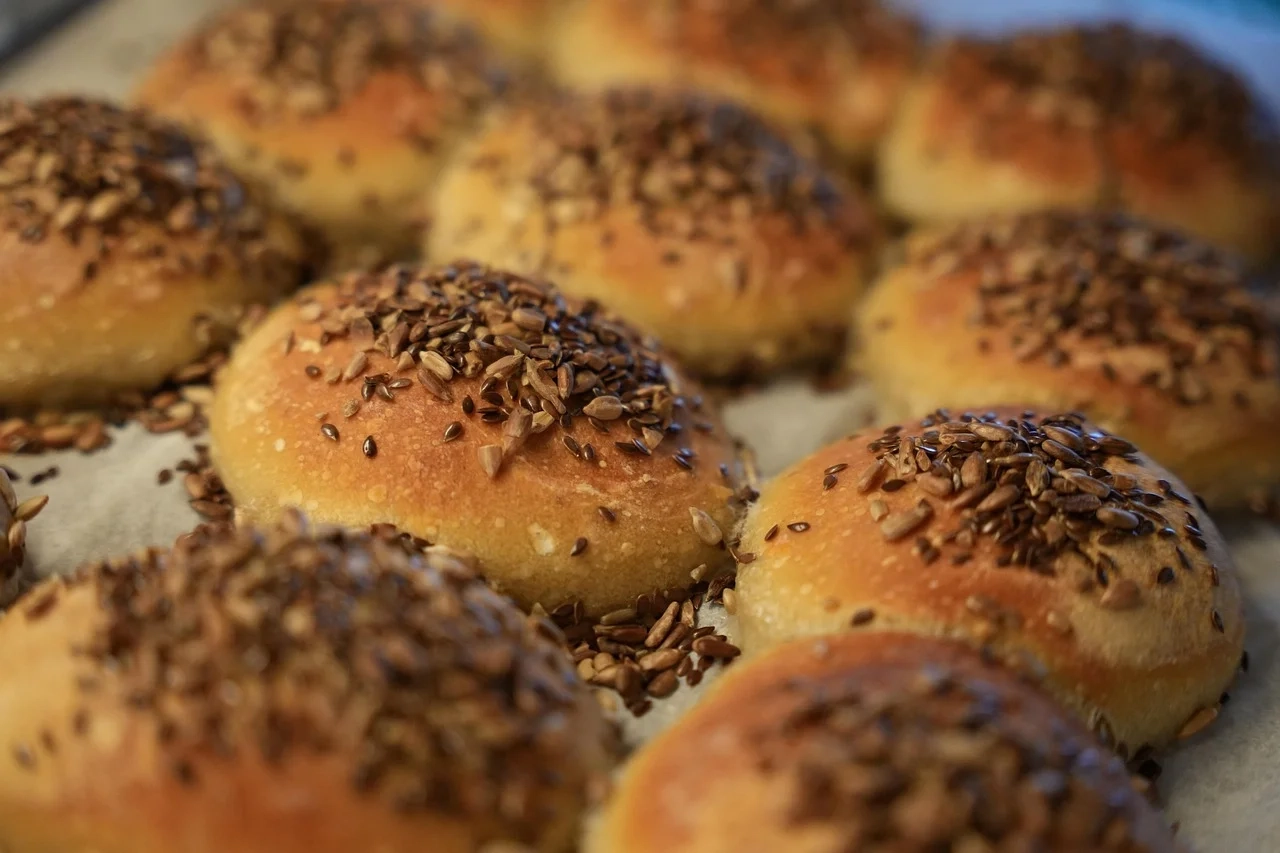
Understanding Sourdough Starter
Sourdough starter is a natural leavening agent made from flour and water, capturing wild yeast and beneficial bacteria from the environment. This starter is pivotal in producing sourdough bread, imparting unique flavors and textures that distinguish it from commercially yeasted bread.
Ingredients Required
- All-Purpose or Whole Wheat Flour: Whole wheat flour tends to have more nutrients, which can help kick-start fermentation.
- Water: Use filtered, non-chlorinated water. Chlorine can inhibit yeast growth.
- Glass Jar: Use a clean, wide-mouth glass jar to allow easy access for stirring and feeding.
Equipment Needed
- A kitchen scale for precise measurements (optional but recommended)
- A spoon or spatula for mixing
- A clean cloth or plastic wrap to cover the jar
Step-by-Step Guide to Create Your Sourdough Starter
Day 1: Mixing the Initial Ingredients
-
Combine the Ingredients:
- Measure 100 grams of flour and 100 grams of water.
- Place both in your glass jar.
- Stir thoroughly until there are no dry clumps of flour.
-
Cover the Jar:
- Use a clean cloth or plastic wrap to loosely cover the jar. This allows airflow while preventing contaminants from entering.
- Let it Rest:
- Place the jar in a warm spot in your kitchen (ideally 70-75°F/21-24°C) for 24 hours.
Day 2: Observing the Initial Reaction
-
Check for Bubbles:
- Inspect your mixture for bubbles or a slight increase in volume. This indicates fermentation is starting.
-
Feeding the Starter:
- Discard half of the mixture (about 100 grams).
- Add 100 grams of fresh flour and 100 grams of water. Stir well.
- Rest Again:
- Cover loosely and let it rest for another 24 hours in the same warm spot.
Day 3: Increasing Activity
-
Look for Changes:
- By now, you should start observing more bubbles and a tangy aroma. These are signs of a healthy fermentation process.
- Feeding Routine:
- Discard half the starter again.
- Add 100 grams of flour and 100 grams of water.
- Stir thoroughly, cover, and let it rest.
Day 4: Building Strength
-
Signs to Look For:
- Your starter should show increased bubbling and rise significantly after feeding.
- Feeding:
- Repeat the previous feeding method—discard half, add flour and water.
Day 5: Ready for Use?
-
Monitor the Consistency:
- Check if your starter is doubling in size within 4-6 hours after being fed. This is a vital indicator of its strength.
- Evaluate the Aroma:
- A fruity, yeasty smell is desirable. If it smells off, continue feeding for a few more days.
Day 6 & Beyond: Establishing a Healthy Starter
-
Repeat Feeding for Consistency:
- Continue the daily feeding process. You may start varying the flour types (rye or whole wheat) to enhance flavor further.
- Using the Starter:
- Your starter is now ready for baking! You can test it by conducting the “float test.” Take a spoonful of the starter and drop it into a glass of water. If it floats, it’s ready for use.
Maintain Your Sourdough Starter
-
Feeding Schedule:
- If you bake frequently, feed your starter daily. If not, you can refrigerate it and feed once a week.
- Feeding from Cold:
- Remove it from the fridge, let it come to room temperature for an hour, then feed it before using.
Troubleshooting Tips
-
Starter Not Rising:
- Ensure that you’re using warm water and that it’s in a warm environment. If it’s too cold, the fermentation process slows down.
- Unpleasant Smell or Color:
- Discard it completely and start over if you see signs of mold or an off-putting smell.
Final Thoughts
Creating a reliable sourdough starter is a rewarding process that requires patience and care. As you follow these steps, you’ll cultivate a natural leaven that can enhance your baking projects for years to come. With time and experience, you will also notice your starter becoming more robust, developing its flavor profile uniquely calibrated to your baking style.