
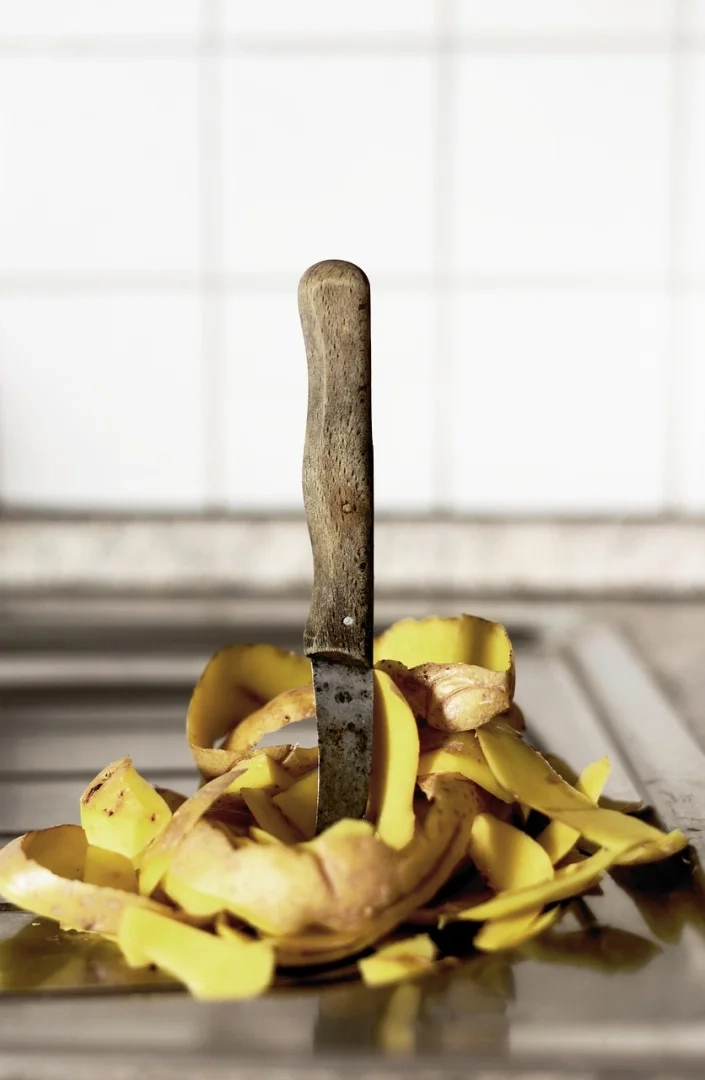
10 Clever Ways to Minimize Food Waste in Your Kitchen
1. Understand Expiration Dates
Many people often confuse “sell by,” “use by,” and “best before” dates, which can lead to unnecessary food waste. The “sell by” date is meant for retailers to manage stock, while “use by” and “best before” dates indicate quality rather than safety. Conduct regular kitchen inventory and educate yourself on food longevity. Trust your senses—many items can still be safe to consume past their printed dates if they show no signs of spoilage.
2. Plan Your Meals
Meal planning is a highly effective strategy for reducing food waste. By scheduling your meals for the week, you can make informed grocery lists, purchasing only what you need. This not only saves money but also ensures that items in your kitchen get used before they spoil. Consider organizing your meals around ingredients that are perishable, using up fresh produce and dairy first, thus minimizing waste.
3. Smart Storage Solutions
Proper storage is key to prolonging the life of your foodstuffs. Invest in airtight containers and vacuum sealers to keep your items fresh longer. Different foods require different environments: for instance, keep potatoes in a cool, dark place, while berries often fare better stored in the fridge. Arrange your pantry so that the oldest items are at the front, ensuring those are used first.
4. Freeze for Later
Freezing is an excellent option for minimizing food waste. Fruits, vegetables, cooked meals, and even herbs can be stored in the freezer for long periods. If you notice produce nearing spoilage, blend it into smoothies or stews and freeze them in portions. Ice cube trays are great for freezing herbs and sauces. This method not only saves waste but also allows for convenient meal preparation later.
5. Leverage Leftovers Creatively
Leftovers are often discarded due to lack of inspiration. Instead, think creatively about how to incorporate them into new meals. Use leftover roasted vegetables in soups or stir-fries, or transform old bread into croutons or breadcrumbs. Eggs can make a quick frittata out of various leftover ingredients. Keeping a few go-to recipes that utilize leftovers can help in reducing food waste significantly.
6. Composting
Composting is a sustainable way to handle excess scraps and food that can’t be consumed. Investing in a compost bin or utilizing an outdoor space can allow you to recycle vegetable peels, fruit cores, and even some paper products. This process not only minimizes waste but also enriches soil if you’re gardening. Understand what can be composted to maximize this environmentally friendly option.
7. Use the Whole Produce
When cooking, many parts of fruits and vegetables are tossed away without consideration. For instance, carrot tops can be made into pesto, radish greens can be sautéed or used in salads, and broccoli stems can be sliced into stir-fries. By utilizing the entire vegetable, you’ll decrease waste and enhance your culinary repertoire, all while saving money.
8. Educate Your Household
Getting the entire household involved in minimizing food waste creates a shared responsibility and culture of sustainability. Discuss the importance of reducing waste with your family members and how each person can contribute. Involve children in the kitchen to help them understand portion sizes, and how leftover management works. Establish designated containers for leftovers, with a “use me first” label for immediate attention.
9. Buy Bulk Wisely
Bulk buying can save money but can also lead to waste if done improperly. Only purchase bulk items that you can genuinely consume before they go stale. It’s wise to buy perishables in smaller quantities more frequently, while non-perishables can be bought in larger sizes. If you’re concerned about portion sizes, consider splitting bulk purchases with friends or neighbors, ensuring that all items will be used and enjoyed.
10. Creatively Repurpose Food Scraps
Food scraps can often be turned into something wildly useful. Vegetable peels, stalks, and cores can be boiled to make homemade vegetable broth. Citrus peels can be infused into water or dried for zest. Coffee grounds can be reused as fertilizer or scrubbers. By creatively repurposing food scraps, you not only reduce waste but also discover new flavors and uses in your kitchen.
By implementing these ten clever strategies, you can significantly minimize food waste in your kitchen. Each approach is designed to be practical and actionable, aligning with modern sustainability practices. Embracing these methods fosters a more efficient, eco-friendly lifestyle that benefits both your household and the planet.